Food tracking becomes exhausting when every meal starts with searching a long food list and ends with several forms. The answer is to use the quickest recording method for each situation.
Use a small set of shortcuts and reserve your attention for the details that materially change the result.
Choose the fastest input for each meal
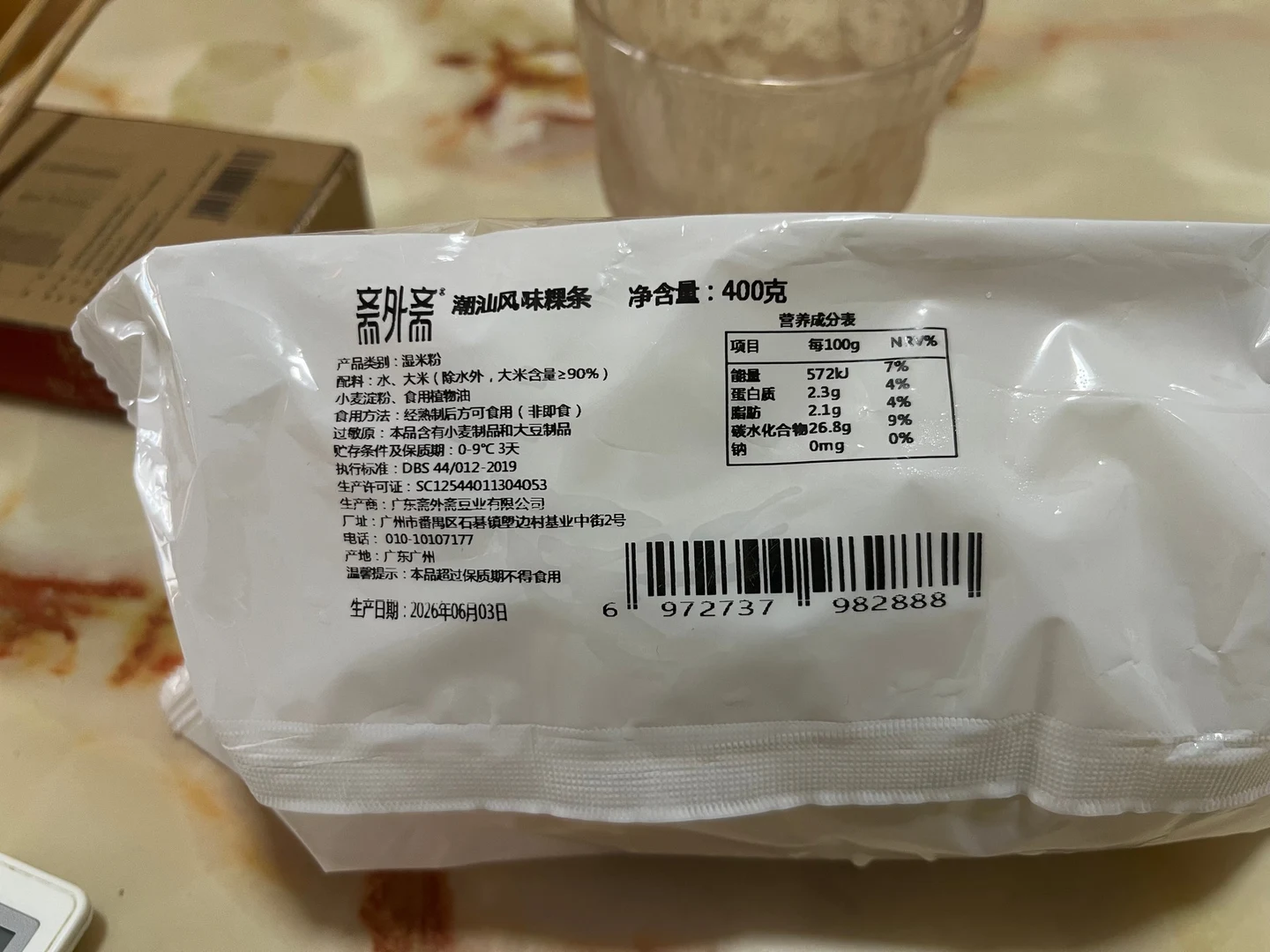
Describe a known meal in one sentence, photograph a mixed plate, scan a packaged label, or reuse a food you saved before. The best method is the one that gives you a record to check with the least effort.
Create defaults for what repeats
Breakfasts, drinks, snacks, and common restaurant orders often repeat. Save useful custom foods and keep the serving names understandable. Repetition should make tomorrow faster, not create more cleanup.
- Use names you will recognize later.
- Keep brand and preparation details when they affect nutrition.
- Update an existing reusable food rather than creating near-duplicates.
Use a short daily review
A single evening check can catch a forgotten drink, a portion change, or a meal saved to the wrong date. The goal is a reliable daily picture, not constant interruption throughout the day.
Common questions
Do I need to weigh every food?
Not for every use case. Weighing can improve portion accuracy, but consistent estimates and honest corrections may be more sustainable for everyday awareness.
What should I review first?
Check missing meals, portions, high-impact additions such as oils and drinks, and whether entries are on the correct day.