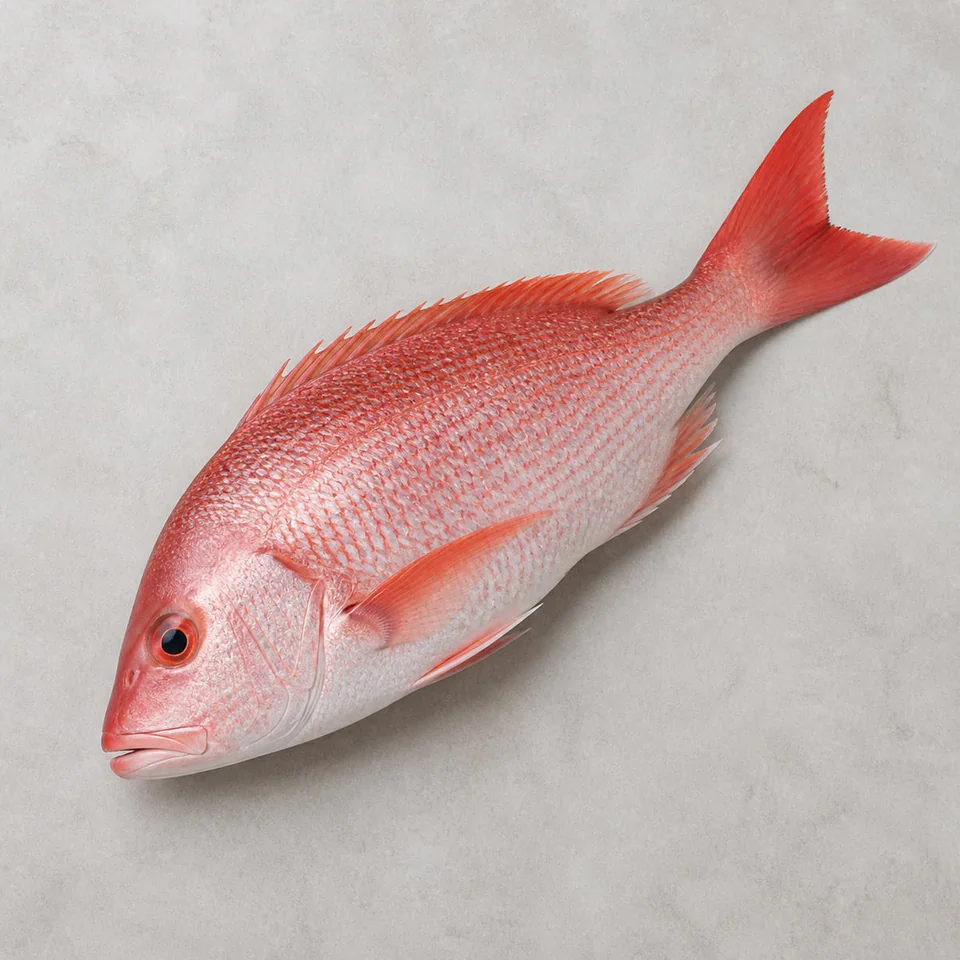
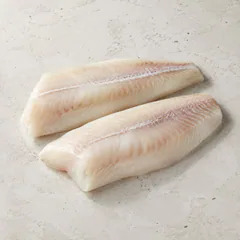
Snapper is a lean, mild-flavored white fish with a firm texture and a slightly sweet taste. It is a popular choice for baking, grilling, pan-searing, and steaming, and its sturdy flesh holds together well across many cooking methods. Snapper is widely available fresh and frozen in both whole and fillet form.
Nutritionally, snapper is a lean source of high-quality protein with very little fat and almost no carbohydrate. It also supplies B vitamins, selenium, and other minerals. Its mild flavor and lean profile make it a versatile staple for balanced, protein-focused meals.
1회 제공량 계획
1회 제공량에 얼마나 들어 있나요? Snapper?
Nutrition values are reported per 100 g of edible frozen, wild-caught snapper. The existing 113 g (about 4 oz) serving provides roughly 102 kcal, calculated from 90 kcal per 100 g. Use weighed edible portions when logging.
100g당 기준으로 계산되었습니다. 값은 반올림되었습니다.
Serving
체중
칼로리
탄수화물
단백질
지방
100 g
100 g
90 kcal
0.4 g
20.7 g
0.6 g
1 fillet (4 oz)
113 g
101.7 kcal
0.5 g
23.3 g
0.6 g
위에 표시된 식품 상태의 가식 부위 무게를 사용하세요.
에너지(kcal)
90 kcal
에너지(kJ)
374.6 kJ
단백질
20.6625 g
탄수화물
0.4413 g
지방
0.5692 g
식이섬유
0 g
Sodium
93.06 mg
칼슘
13.91 mg
칼륨
348.8 mg
마그네슘
27.46 mg
철분
0.201 mg
아연
0.3645 mg
비타민 B12
1.571 µg
질문과 답변
Snapper 영양 FAQ
Is snapper high in protein?
Yes. A 100 g serving of raw snapper provides about 21 g of protein with very little fat.
How many calories are in snapper?
This frozen, wild-caught snapper record provides 90 kcal per 100 g. The existing 113 g (about 4 oz) serving provides roughly 102 kcal.
How is snapper usually cooked?
Snapper is commonly baked, grilled, pan-seared, or steamed, thanks to its firm texture and mild, slightly sweet flavor.