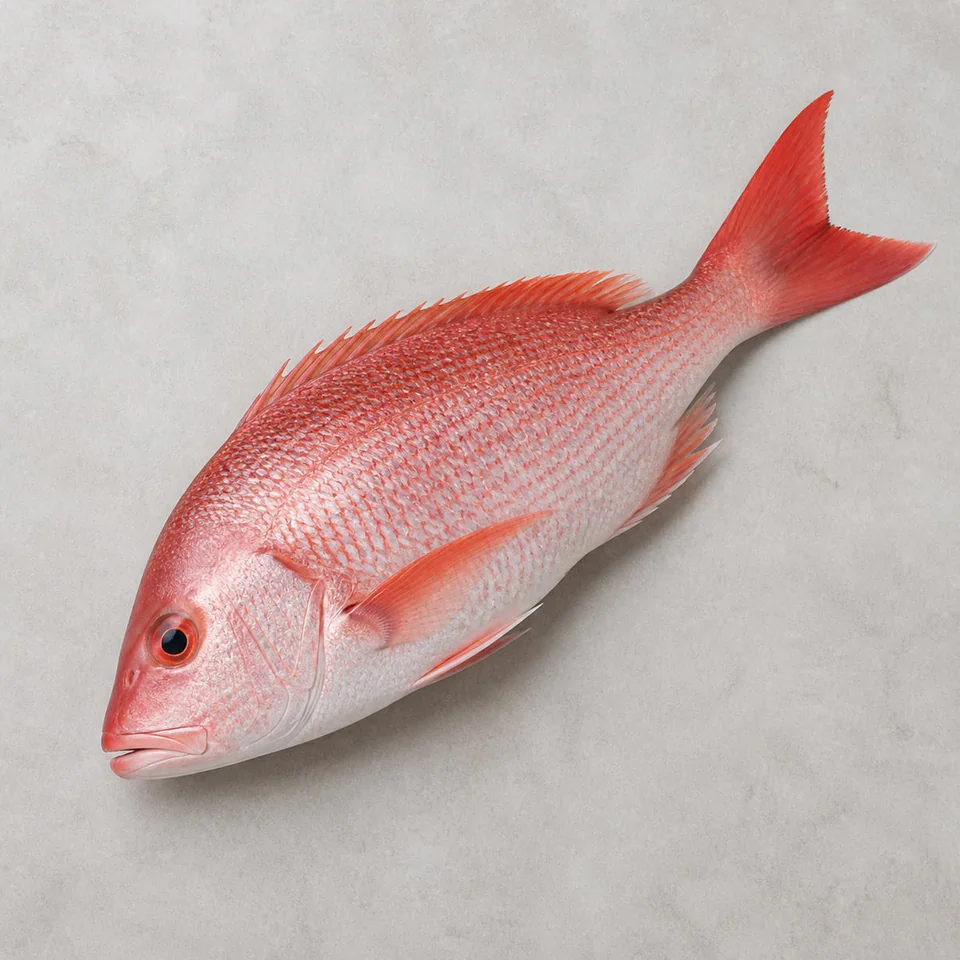
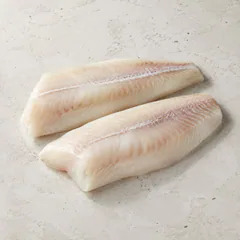
Snapper is a lean, mild-flavored white fish with a firm texture and a slightly sweet taste. It is a popular choice for baking, grilling, pan-searing, and steaming, and its sturdy flesh holds together well across many cooking methods. Snapper is widely available fresh and frozen in both whole and fillet form.
Nutritionally, snapper is a lean source of high-quality protein with very little fat and almost no carbohydrate. It also supplies B vitamins, selenium, and other minerals. Its mild flavor and lean profile make it a versatile staple for balanced, protein-focused meals.
Planifica tu porción
¿Cuánto hay en tu porción de Snapper?
Nutrition values are reported per 100 g of edible frozen, wild-caught snapper. The existing 113 g (about 4 oz) serving provides roughly 102 kcal, calculated from 90 kcal per 100 g. Use weighed edible portions when logging.
Calculado a partir de la referencia por cada 100 g. Los valores están redondeados.
Porción
Peso
Calorías
Carbohidratos
Proteína
Grasa
100 g
100 g
90 kcal
0.4 g
20.7 g
0.6 g
1 fillet (4 oz)
113 g
101.7 kcal
0.5 g
23.3 g
0.6 g
Utilice el peso de la porción comestible en el estado del alimento mostrado arriba.
Energía (kcal)
90 kcal
Energía (kJ)
374.6 kJ
Proteína
20.6625 g
Carbohidratos
0.4413 g
Grasa
0.5692 g
Fibra dietética
0 g
Sodio
93.06 mg
Calcio
13.91 mg
Potasio
348.8 mg
Magnesio
27.46 mg
Hierro
0.201 mg
Zinc
0.3645 mg
Vitamina B12
1.571 µg
Preguntas y respuestas
Snapper preguntas frecuentes sobre nutrición
Is snapper high in protein?
Yes. A 100 g serving of raw snapper provides about 21 g of protein with very little fat.
How many calories are in snapper?
This frozen, wild-caught snapper record provides 90 kcal per 100 g. The existing 113 g (about 4 oz) serving provides roughly 102 kcal.
How is snapper usually cooked?
Snapper is commonly baked, grilled, pan-seared, or steamed, thanks to its firm texture and mild, slightly sweet flavor.