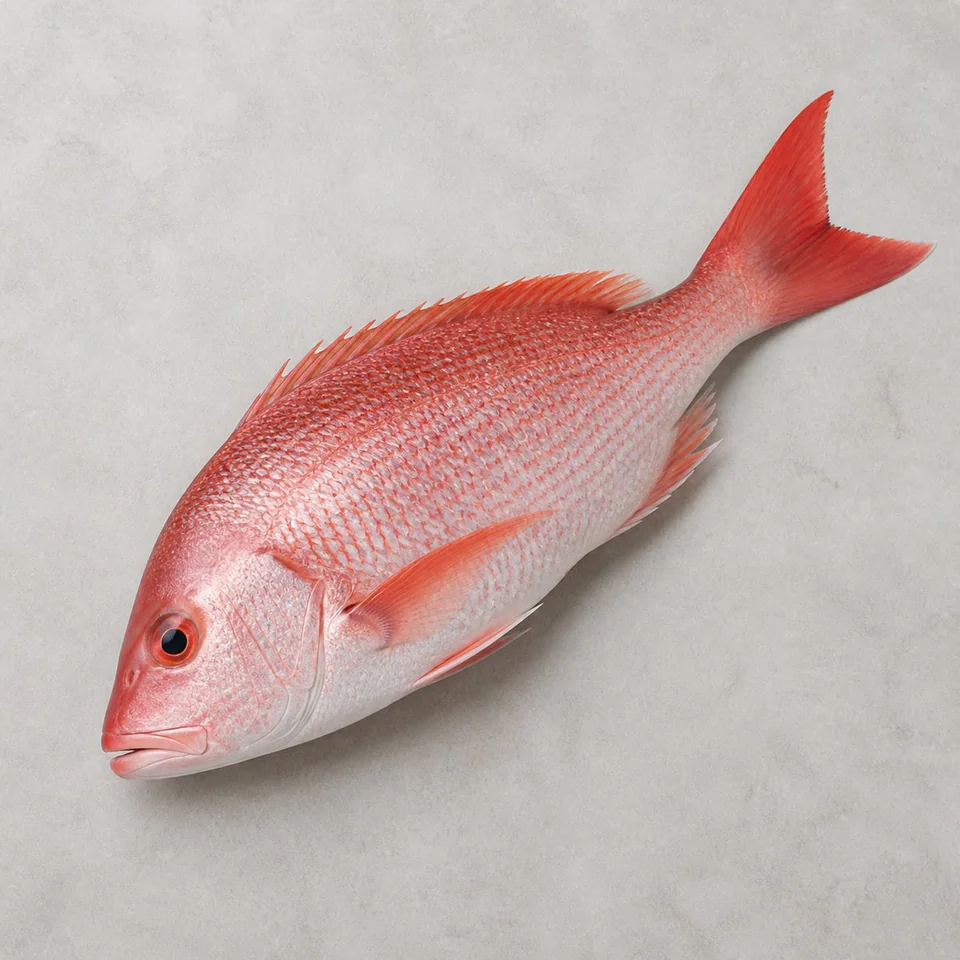
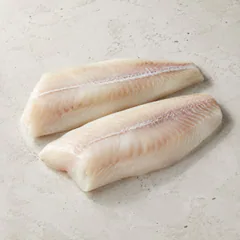
Snapper is a lean, mild-flavored white fish with a firm texture and a slightly sweet taste. It is a popular choice for baking, grilling, pan-searing, and steaming, and its sturdy flesh holds together well across many cooking methods. Snapper is widely available fresh and frozen in both whole and fillet form.
Nutritionally, snapper is a lean source of high-quality protein with very little fat and almost no carbohydrate. It also supplies B vitamins, selenium, and other minerals. Its mild flavor and lean profile make it a versatile staple for balanced, protein-focused meals.
Plan your portion
How much is in your serving of Snapper?
Nutrition values are reported per 100 g of edible frozen, wild-caught snapper. The existing 113 g (about 4 oz) serving provides roughly 102 kcal, calculated from 90 kcal per 100 g. Use weighed edible portions when logging.
Calculated from the per-100-g reference. Values are rounded.
Serving
Weight
Calories
Carbs
Protein
Fat
100 g
100 g
90 kcal
0.4 g
20.7 g
0.6 g
1 fillet (4 oz)
113 g
101.7 kcal
0.5 g
23.3 g
0.6 g
Use the weight of the edible portion in the food state shown above.
Energy (kcal)
90 kcal
Energy (kJ)
374.6 kJ
Protein
20.6625 g
Carbohydrates
0.4413 g
Fat
0.5692 g
Dietary fiber
0 g
Sodium
93.06 mg
Calcium
13.91 mg
Potassium
348.8 mg
Magnesium
27.46 mg
Iron
0.201 mg
Zinc
0.3645 mg
Vitamin B12
1.571 µg
Questions and answers
Snapper nutrition FAQ
Is snapper high in protein?
Yes. A 100 g serving of raw snapper provides about 21 g of protein with very little fat.
How many calories are in snapper?
This frozen, wild-caught snapper record provides 90 kcal per 100 g. The existing 113 g (about 4 oz) serving provides roughly 102 kcal.
How is snapper usually cooked?
Snapper is commonly baked, grilled, pan-seared, or steamed, thanks to its firm texture and mild, slightly sweet flavor.