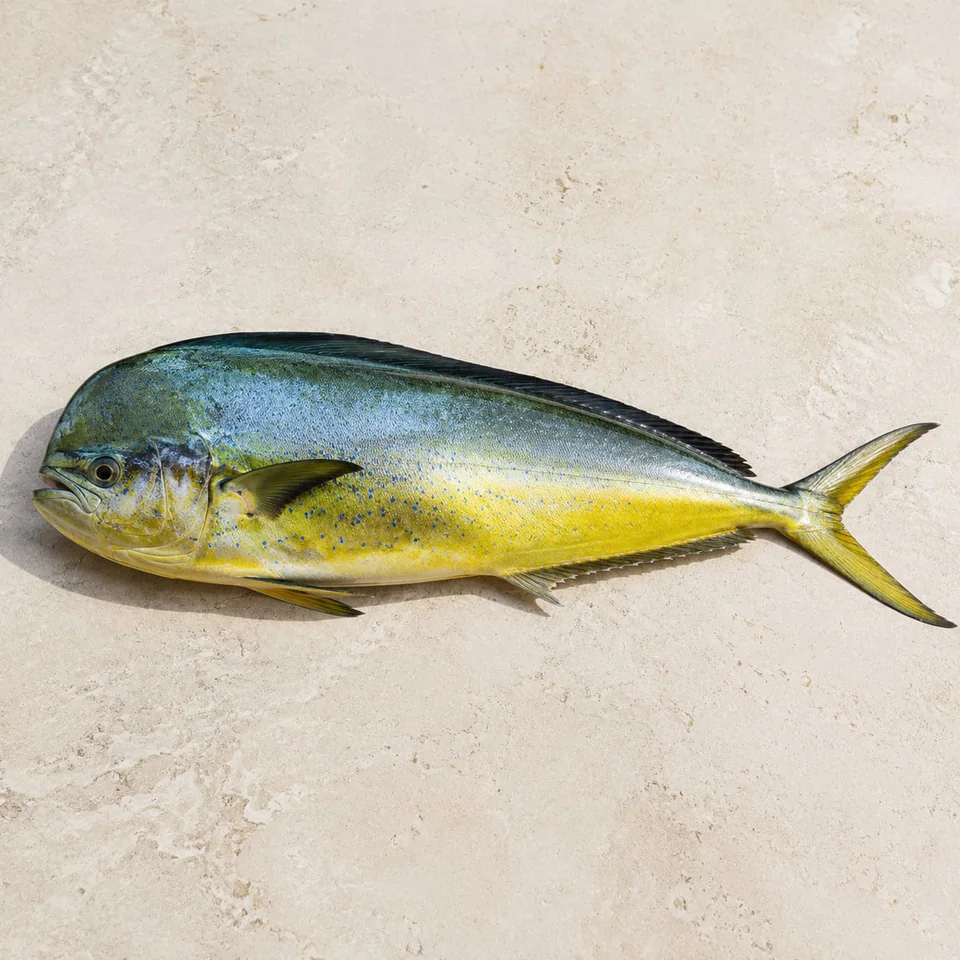
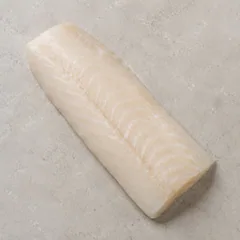
Mahi mahi, also called dolphinfish or dorado, is a lean saltwater fish with a firm, moist texture and a mild, slightly sweet flavor. Its sturdy fillets hold up well to high-heat cooking methods such as grilling, searing, and baking, and it is a popular choice in seafood tacos and tropical-style dishes.
Nutritionally, mahi mahi is a lean source of high-quality protein and is low in fat and carbohydrates. It also supplies B vitamins and minerals such as selenium and phosphorus. Its mild flavor and lean profile make it a versatile staple for balanced, protein-focused meals.
Pianifica la tua porzione
Quanto c'è nella tua porzione di Mahi Mahi?
Nutrition values are reported per 100 g of raw edible mahi mahi. A typical fillet weighs about 113 g (4 oz) and provides roughly 95 kcal. Use the serving sizes below to estimate portions when logging.
Calcolato dal riferimento per 100 g. I valori sono arrotondati.
Porzione
Peso
Calorie
Carboidrati
Proteine
Grassi
100 g
100 g
84 kcal
0.3 g
19.8 g
0.4 g
1 fillet (4 oz)
113 g
94.9 kcal
0.3 g
22.4 g
0.4 g
Usa il peso della parte edibile nello stato dell'alimento mostrato sopra.
Energia (kcal)
84 kcal
Energia (kJ)
350.2 kJ
Proteine
19.7938 g
Carboidrati
0.28655 g
Grassi
0.3767 g
Fibra alimentare
0 g
Sodio
51.93 mg
Calcio
6.003 mg
Potassio
407.9 mg
Magnesio
28.02 mg
Ferro
0.05167 mg
Zinco
0.2963 mg
Vitamina B12
1.343 µg
Domande e risposte
Mahi Mahi FAQ sulla nutrizione
Is mahi mahi high in protein?
Yes. A 100 g serving of raw mahi mahi provides about 20 g of protein with very little fat.
How many calories are in mahi mahi?
A 100 g serving of raw mahi mahi has about 84 kcal. A typical 4 oz (113 g) fillet provides roughly 95 kcal.
How is mahi mahi usually cooked?
Mahi mahi is commonly grilled, seared, or baked, thanks to its firm texture that holds up well to high heat.