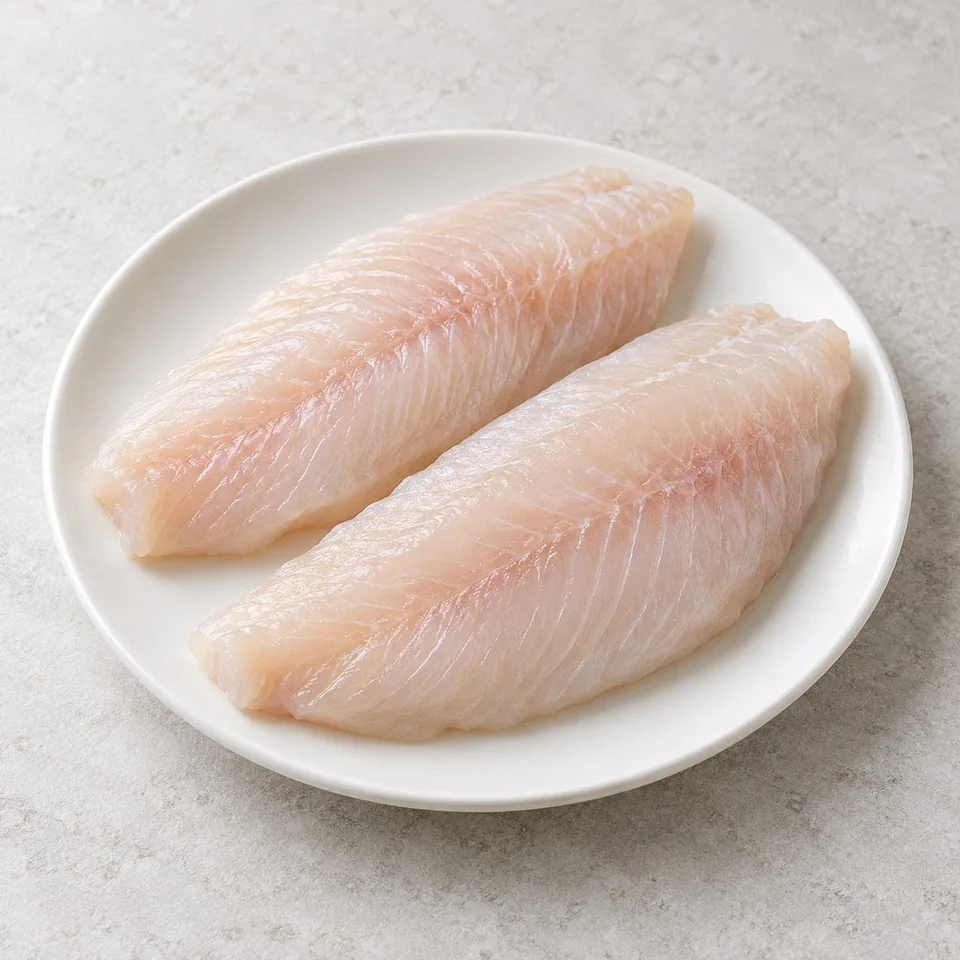
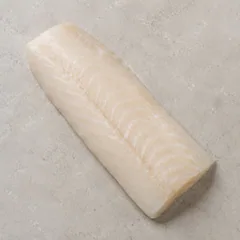
Fish is a broad term for the edible flesh of finfish, prized for its tender texture and mild flavor. Lean white fish varieties are especially popular, and fish is enjoyed baked, grilled, steamed, pan-fried, or poached.
Nutritionally, fish is an excellent source of lean protein. Per 100 g it provides about 94 kcal, 17.2 g of protein, 2.3 g of fat, and no carbohydrates, with 83 mg of sodium and 18 mg of calcium. This reference reflects a typical lean fish fillet.
Because fish is low in fat and carbohydrate, cooking methods and added sauces largely determine the final calorie count. For accurate tracking, weigh the raw fillet or use the serving sizes below.
Plane deine Portion
Wie viel ist in Ihrer Portion von Fish?
Nutrition values are reported per 100 g. A typical 3 oz fillet (about 85 g) provides roughly 80 kcal. Use the serving sizes below to estimate portions when logging.
Berechnet aus der Referenz pro 100 g. Werte sind gerundet.
Portion
Gewicht
Kalorien
Kohlenhydrate
Protein
Fett
100 g
100 g
94 kcal
0 g
17.2 g
2.3 g
3 oz
85 g
79.9 kcal
0 g
14.6 g
2 g
1 fillet (4 oz)
113 g
106.2 kcal
0 g
19.4 g
2.6 g
Verwenden Sie das Gewicht des essbaren Anteils im oben gezeigten Lebensmittelzustand.
Energie (kcal)
94 kcal
Energie (kJ)
393.3 kJ
Protein
17.2 g
Kohlenhydrate
0 g
Fett
2.34 g
Ballaststoffe
0 g
Zucker
0 g
Gesättigte Fettsäuren
0.557 g
Cholesterin
55 mg
Natrium
83 mg
Kalzium
18 mg
Kalium
272 mg
Magnesium
22 mg
Eisen
0.32 mg
Zink
0.5 mg
Vitamin B1
0.038 mg
Vitamin B2
0.059 mg
Vitamin B3
2.1 mg
Vitamin B6
0.147 mg
Vitamin B9 (Folat)
14 µg
Vitamin B12
2.18 µg
Vitamin C
0 mg
Vitamin D
1.3 µg
Vitamin A (RAE)
8 µg
Retinol
8 µg
Beta-Carotin
0 µg
Alpha-Carotin
0 µg
Beta-Cryptoxanthin
0 µg
Vitamin E (Alpha-Tocopherol)
0.51 mg
Vitamin K1 (Phyllochinon)
0.9 µg
Fragen und Antworten
Fish Ernährungs-FAQ
How many calories are in fish?
Fish provides about 94 calories per 100 g. A typical 3 oz serving (about 85 g) provides roughly 80 calories.
Is fish high in protein?
Yes. Fish provides about 17.2 g of protein per 100 g, making it a lean source of protein with little fat and no carbohydrate.
How should I cook fish?
Fish can be baked, grilled, steamed, pan-fried, or poached. Weigh the raw fillet before cooking for the most accurate tracking.