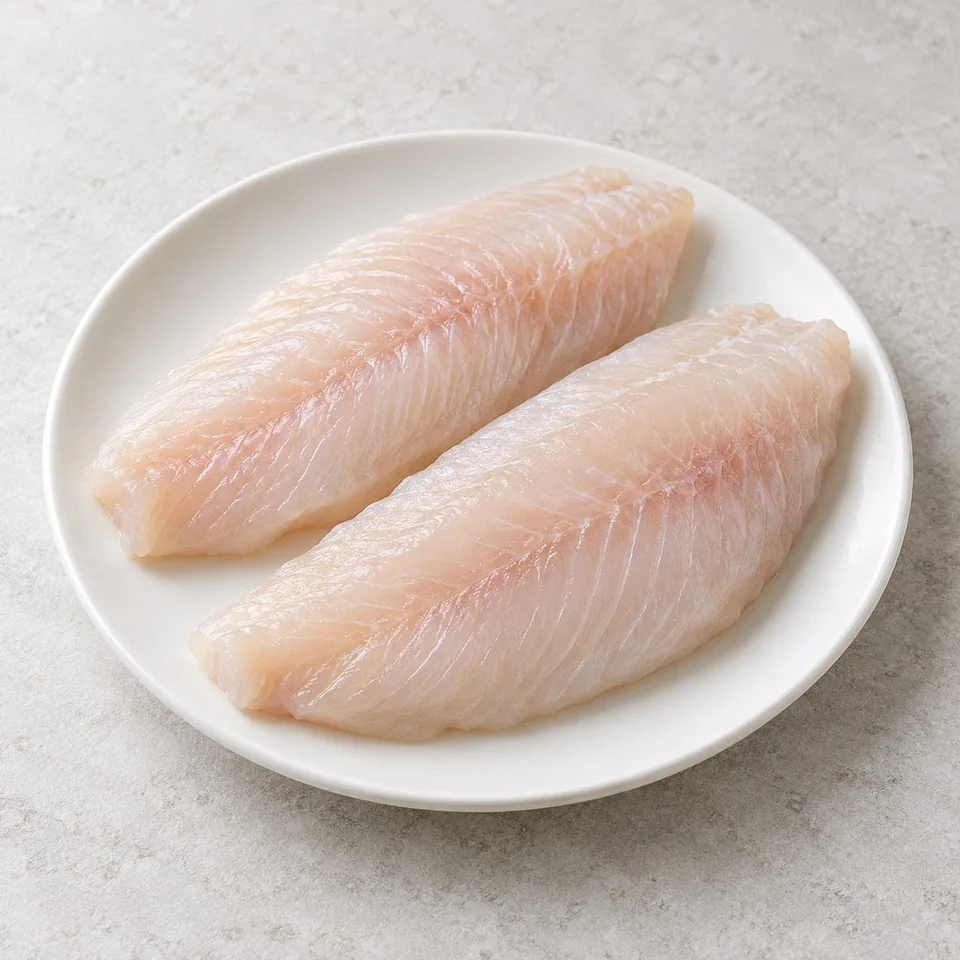
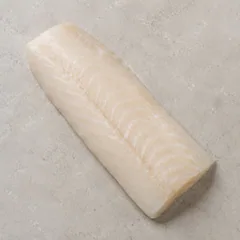
Fish is a broad term for the edible flesh of finfish, prized for its tender texture and mild flavor. Lean white fish varieties are especially popular, and fish is enjoyed baked, grilled, steamed, pan-fried, or poached.
Nutritionally, fish is an excellent source of lean protein. Per 100 g it provides about 94 kcal, 17.2 g of protein, 2.3 g of fat, and no carbohydrates, with 83 mg of sodium and 18 mg of calcium. This reference reflects a typical lean fish fillet.
Because fish is low in fat and carbohydrate, cooking methods and added sauces largely determine the final calorie count. For accurate tracking, weigh the raw fillet or use the serving sizes below.
Planifiez votre portion
Quelle quantité contient votre portion de Fish?
Nutrition values are reported per 100 g. A typical 3 oz fillet (about 85 g) provides roughly 80 kcal. Use the serving sizes below to estimate portions when logging.
Calculé à partir de la référence par 100 g. Les valeurs sont arrondies.
Portion
Poids
Calories
Glucides
Protéines
Graisse
100 g
100 g
94 kcal
0 g
17.2 g
2.3 g
3 oz
85 g
79.9 kcal
0 g
14.6 g
2 g
1 fillet (4 oz)
113 g
106.2 kcal
0 g
19.4 g
2.6 g
Utilisez le poids de la partie comestible dans l'état de l'aliment indiqué ci-dessus.
Énergie (kcal)
94 kcal
Énergie (kJ)
393.3 kJ
Protéines
17.2 g
Glucides
0 g
Graisse
2.34 g
Fibres alimentaires
0 g
Sucres
0 g
Acides gras saturés
0.557 g
Cholestérol
55 mg
Sodium
83 mg
Calcium
18 mg
Potassium
272 mg
Magnésium
22 mg
Fer
0.32 mg
Zinc
0.5 mg
Vitamine B1
0.038 mg
Vitamine B2
0.059 mg
Vitamine B3
2.1 mg
Vitamine B6
0.147 mg
Vitamine B9 (folate)
14 µg
Vitamine B12
2.18 µg
Vitamine C
0 mg
Vitamine D
1.3 µg
Vitamine A (RAE)
8 µg
Rétinol
8 µg
Bêta-carotène
0 µg
Alpha-carotène
0 µg
Bêta-cryptoxanthine
0 µg
Vitamine E (alpha-tocophérol)
0.51 mg
Vitamine K1 (phylloquinone)
0.9 µg
Questions et réponses
Fish FAQ nutrition
How many calories are in fish?
Fish provides about 94 calories per 100 g. A typical 3 oz serving (about 85 g) provides roughly 80 calories.
Is fish high in protein?
Yes. Fish provides about 17.2 g of protein per 100 g, making it a lean source of protein with little fat and no carbohydrate.
How should I cook fish?
Fish can be baked, grilled, steamed, pan-fried, or poached. Weigh the raw fillet before cooking for the most accurate tracking.