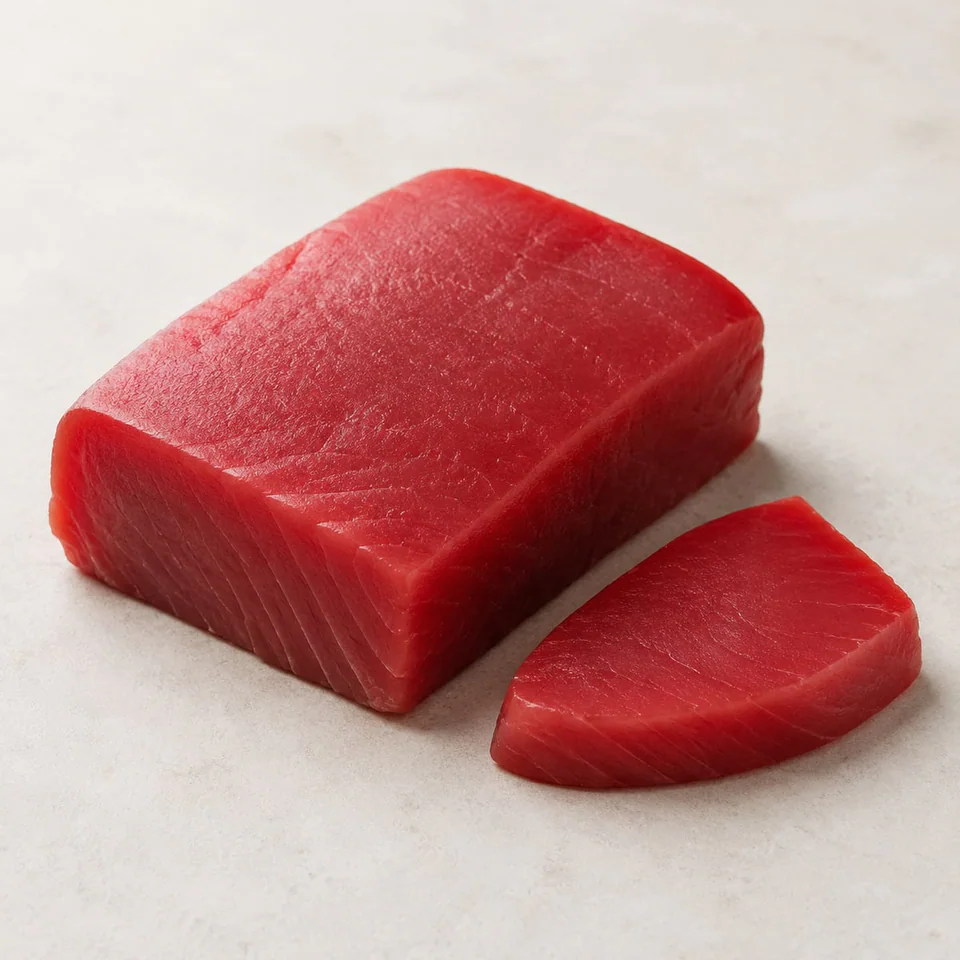
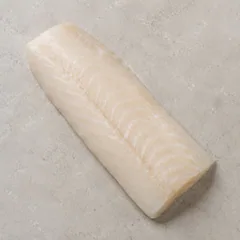
Tuna is a large saltwater fish prized for its firm, meaty texture and rich flavor. The yellowfin (ahi) variety, in particular, is popular raw as sashimi and poke, as well as seared, grilled, or lightly cooked. Tuna is widely available fresh and frozen, and it is also a common canned and jarred fish.
Nutritionally, tuna is a very lean source of high-quality protein, with almost no carbohydrates and very little fat. It also supplies B vitamins, selenium, and other minerals. Its high protein-to-calorie ratio makes it a popular choice for high-protein and calorie-conscious eating plans.
Plan your portion
How much is in your serving of Tuna?
Nutrition values are reported per 100 g of raw edible tuna. A typical fillet weighs about 113 g (4 oz) and provides roughly 115 kcal. Use the serving sizes below to estimate portions when logging.
Calculated from the per-100-g reference. Values are rounded.
Serving
Weight
Calories
Carbs
Protein
Fat
100 g
100 g
102 kcal
0 g
24.7 g
0.4 g
1 fillet (4 oz)
113 g
115.3 kcal
0 g
27.9 g
0.4 g
Use the weight of the edible portion in the food state shown above.
Energy (kcal)
102 kcal
Energy (kJ)
426.2 kJ
Protein
24.7 g
Carbohydrates
0 g
Fat
0.3875 g
Dietary fiber
0 g
Sodium
94.37 mg
Calcium
3.193 mg
Potassium
420.2 mg
Magnesium
35.48 mg
Iron
0.5914 mg
Zinc
0.3524 mg
Vitamin B12
1.374 µg
Questions and answers
Tuna nutrition FAQ
How much protein is in tuna?
A 100 g serving of raw tuna provides about 25 g of protein with very little fat, making it an excellent high-protein food.
Is tuna good for weight loss?
Yes. Tuna is very lean and high in protein, which supports fullness and muscle maintenance, making it a useful food in calorie-controlled meal plans.
How is tuna usually prepared?
Tuna is commonly enjoyed raw as sashimi or poke, seared or grilled as steaks, and it is also widely available canned.