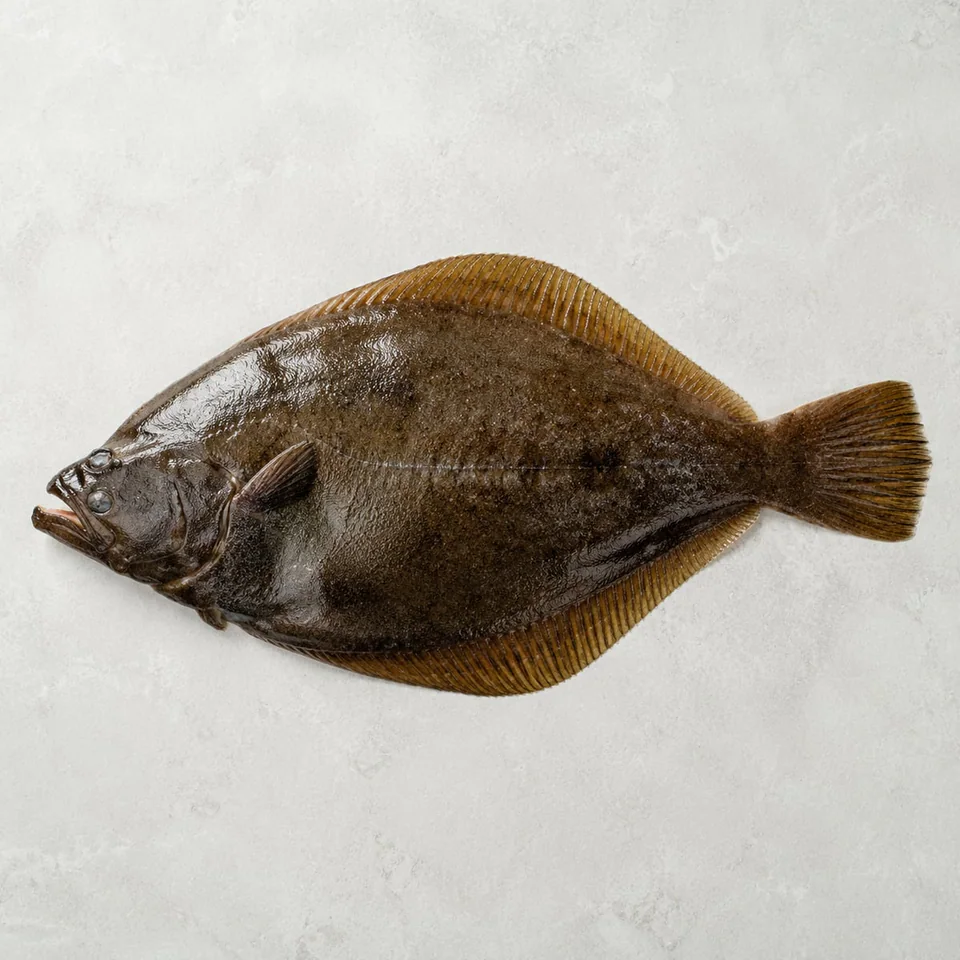
Halibut is a large flatfish with lean, firm white flesh and a mild, slightly sweet flavor. Its thick, sturdy fillets hold together well across many cooking methods, and it is most often baked, grilled, pan-seared, or poached. Halibut is widely available fresh and frozen.
Nutritionally, halibut is a lean source of high-quality protein and is very low in fat and carbohydrates. It also supplies B vitamins and minerals such as selenium and phosphorus. Its mild flavor and substantial texture make it a versatile choice for balanced, protein-focused meals.
Plan your portion
How much is in your serving of Halibut?
Nutrition values are reported per 100 g of raw edible halibut. A typical fillet weighs about 113 g (4 oz) and provides roughly 92 kcal. Use the serving sizes below to estimate portions when logging.
Calculated from the per-100-g reference. Values are rounded.
Serving
Weight
Calories
Carbs
Protein
Fat
100 g
100 g
81 kcal
0 g
19.1 g
0.6 g
1 fillet (4 oz)
113 g
91.5 kcal
0 g
21.5 g
0.7 g
Use the weight of the edible portion in the food state shown above.